
CRM-RJ 870137 · RQE 20287 · Updated on 30/10/2026
What is epicondylitis
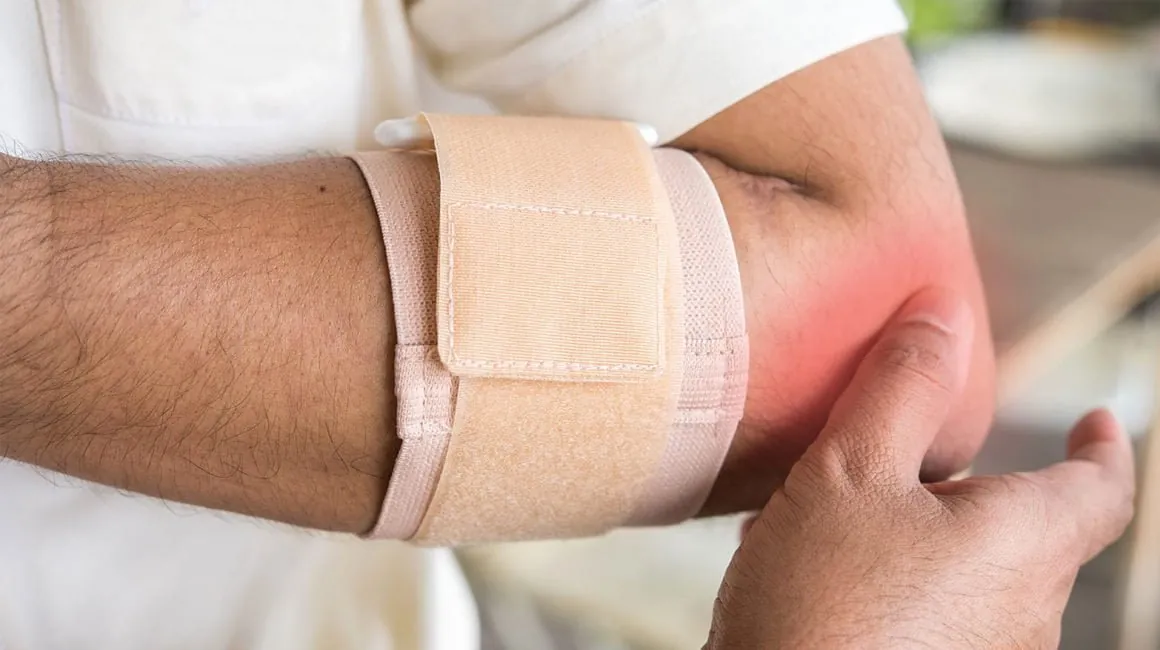
It is an overuse injury of the tendon that attaches to the lateral epicondyle, the bony bump on the outside of the elbow. The tendon develops micro-tears and degeneration from repeated effort of the wrist and forearm.
Despite the name, it affects people who do not play tennis: those who type, use tools, lift weights or carry loads. When the pain is on the inside of the elbow, it is medial epicondylitis, or "golfer's elbow".
Symptoms
- pain on the outer side of the elbow, which may radiate to the forearm;
- pain when grasping objects, turning a doorknob, shaking hands or lifting a cup;
- weak grip;
- tenderness over the epicondyle.
Diagnosis
Diagnosis is clinical, based on history and exam maneuvers that reproduce the pain. Ultrasound or MRI may be requested when the case is persistent or other causes are suspected, such as cervical spine problems or nerve compression.
Treatment of epicondylitis
- adjusting the activities that trigger the pain and using a brace (forearm strap) in the acute phase;
- physical therapy with progressive strengthening (eccentric) exercises;
- extracorporeal shockwave therapy in selected cases;
- pain medication for short periods;
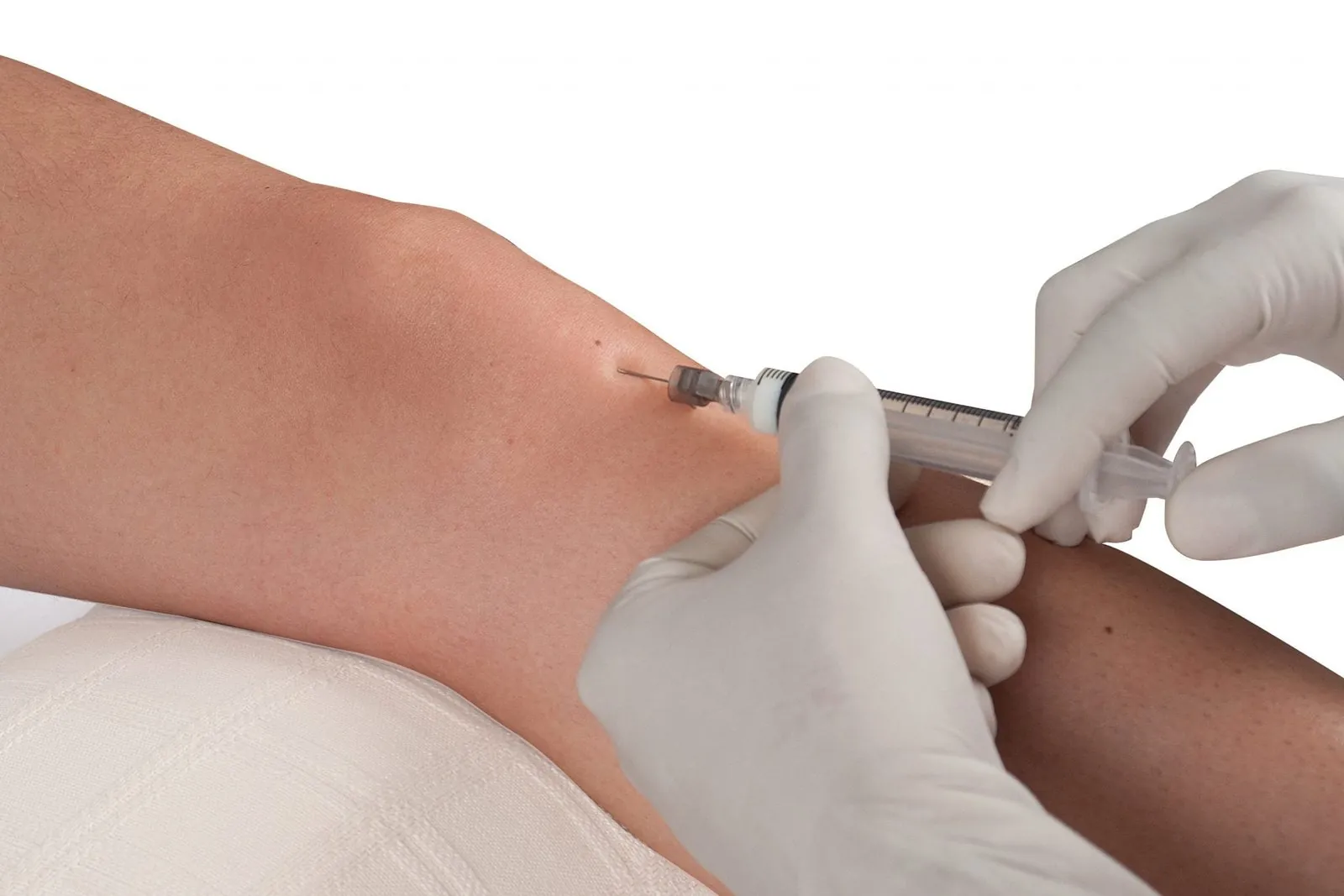
- injections, including biologic therapies, in individualized situations;
- surgery only after several months of well-conducted treatment have failed.
Recovery is slow because tendons have little blood supply, and consistency in treatment makes a difference. More serious elbow tendon injuries, such as distal biceps rupture, need to be distinguished on exam.