

CRM-RJ 870137 · RQE 20287 · Updated on 30/10/2026
What is knee osteoarthritis
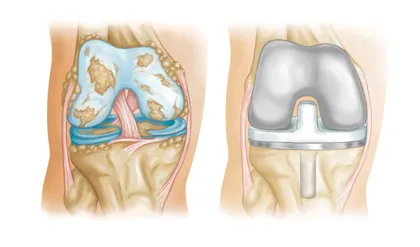
The knee is formed by the femur, tibia and patella, all covered by cartilage. Between the femur and tibia sit the menisci, which cushion impact. In osteoarthritis the cartilage wears, the bone reacts and the joint becomes inflamed, causing pain and loss of motion.
Risk factors include age, excess weight, old meniscus or ligament injuries, leg misalignment, family history and some high-impact activities.
Symptoms: when to see an orthopedist
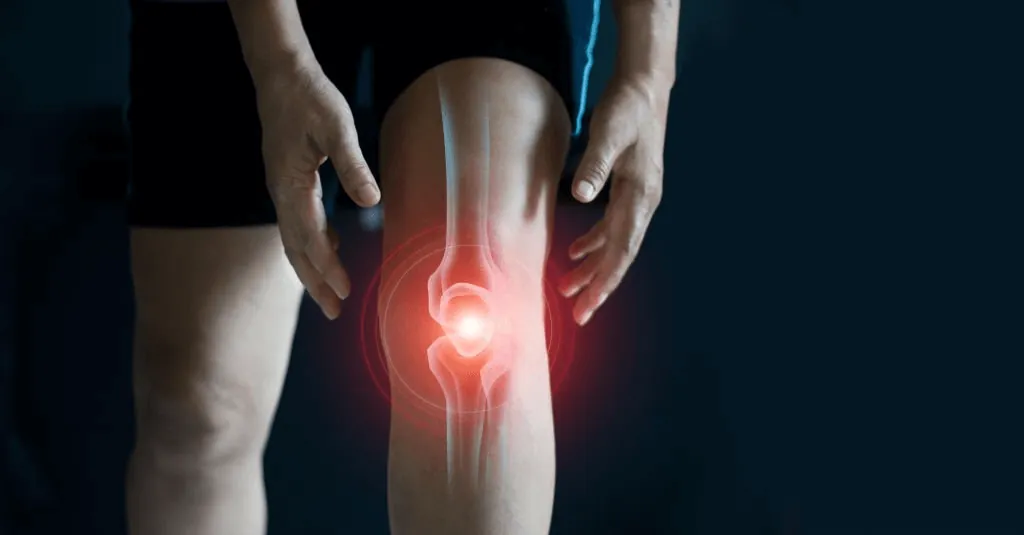
- pain when walking, squatting or going up and down stairs;
- stiffness after being still and occasional swelling;
- clicking or a feeling of sand inside the joint;
- difficulty fully straightening or bending the knee;
- progressive bowing or knock-knee deformity.
If pain affects sleep, work or leisure, it is worth booking an evaluation. Many treatments work better when started early.
How it is diagnosed
The evaluation includes a physical exam of the knee, hip and gait, plus standing X-rays, which show the real joint space. An MRI is ordered when a meniscus, ligament or bone injury is suspected. A report on its own does not decide treatment: it must be read together with symptoms.
Treatment of knee osteoarthritis
Non-surgical treatment
- physical therapy and strengthening of the quadriceps and hip;
- weight loss, when indicated;
- pain and anti-inflammatory medication under medical guidance;
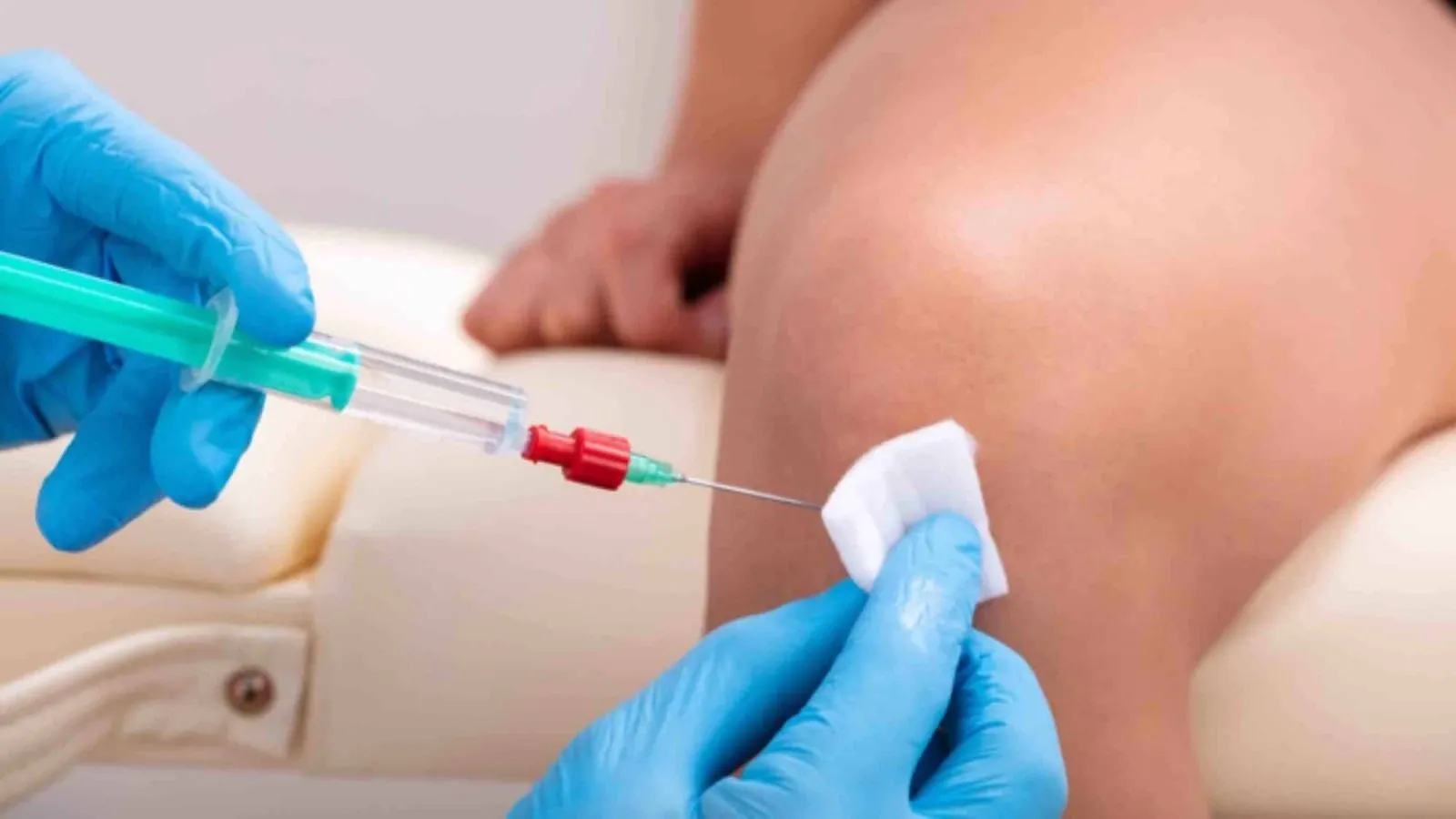
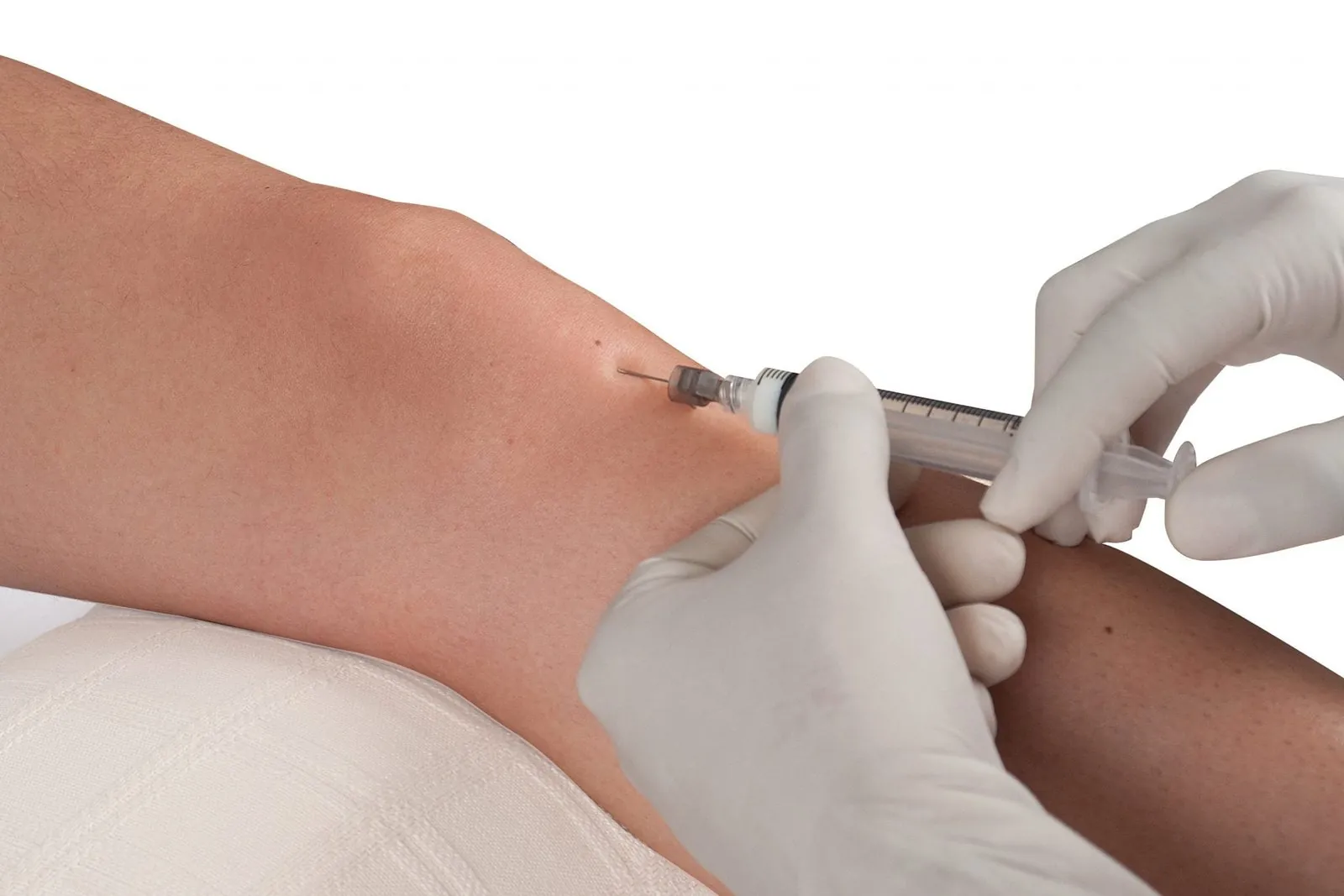
- viscosupplementation (hyaluronic acid) and biologic therapies in selected cases;
- footwear, insoles or braces when appropriate.
Surgical treatment
In advanced stages, with pain limiting daily life, a knee replacement (total or partial) replaces the worn surfaces. In younger patients with leg misalignment there are joint-preserving alternatives. The indication depends on an individual evaluation.