
CRM-RJ 870137 · RQE 20287 · Updated on 30/10/2026
What is a hip replacement
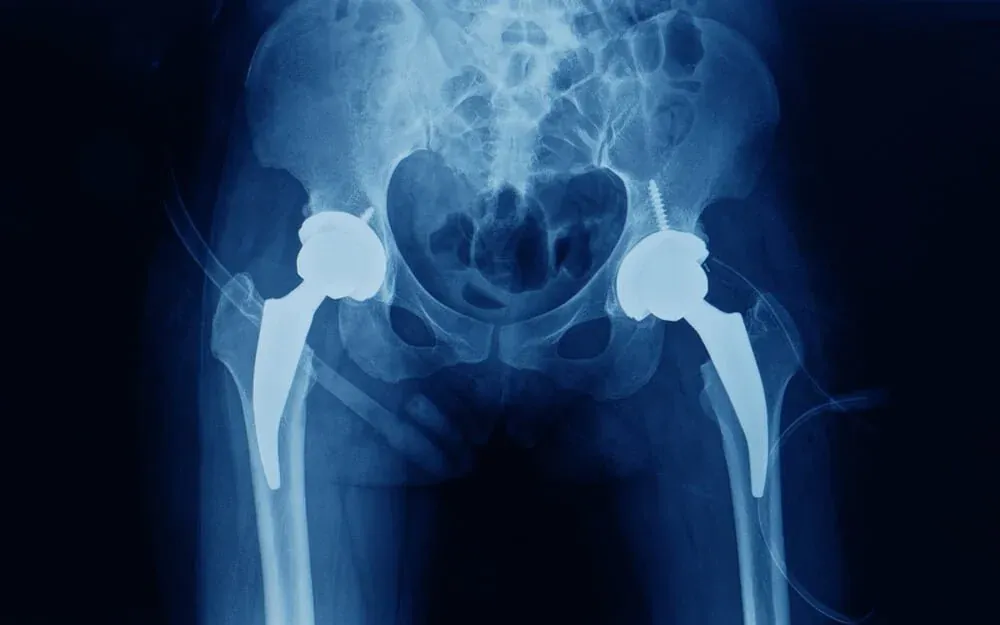
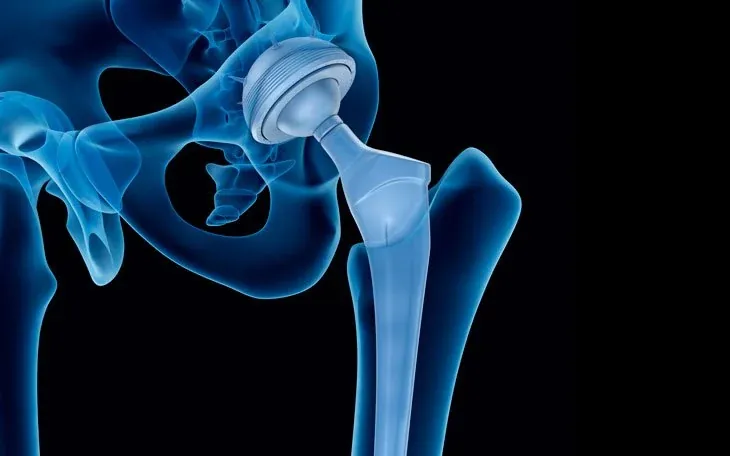
It is a surgery in which the femoral head and the acetabulum, the part of the pelvis that holds the head, are replaced by a prosthesis. Components are made of metal, ceramic and polyethylene, chosen according to age, bone quality and the patient's activity level.
In some cases, such as certain femoral neck fractures in older adults, only the femoral head is replaced: hemiarthroplasty.
When a replacement is indicated
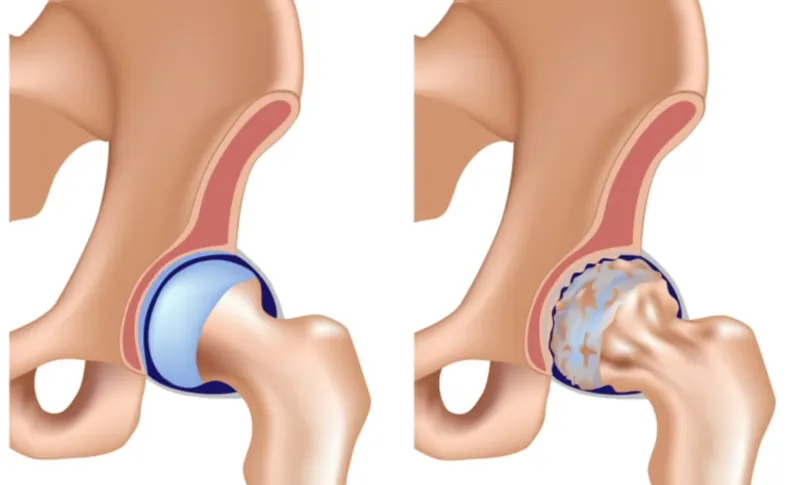
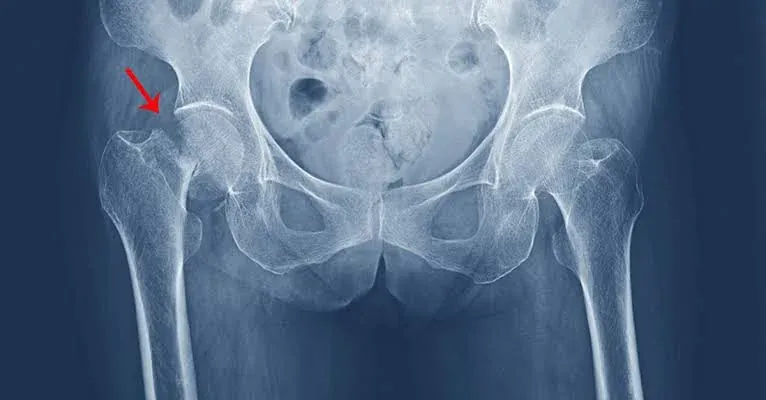
- advanced hip osteoarthritis, with pain limiting daily life and not improving with non-surgical care;
- avascular necrosis of the femoral head, when the joint collapses;
- femoral neck fractures, mainly in older adults;
- sequelae of fractures or dysplasia, and inflammatory arthritis.
The decision considers exams, symptoms and the patient's wishes. There is no defined minimum or maximum age.
How the surgery is done
After anesthesia, the surgeon reaches the joint, removes the worn surfaces and positions the components. There are different approaches (anterior, lateral and posterior), and the choice depends on the case and the surgeon's experience. Dr. Daniel Ramallo performs minimally invasive techniques and took part in lower-limb reconstruction immersions at Giessen University in Germany, focusing on anterior-approach replacement.
The surgery generally takes between one and two hours. The hospital stay is usually short.
Recovery and rehabilitation
Patients are encouraged to stand and walk within the first 24 hours, with a walker or crutches. Physical therapy starts early and continues for weeks. In general:
- light daily activities return in the first weeks;
- driving and return to work depend on the type of activity and the operated side;
- low-impact exercise is progressively cleared.
There are specific movement precautions at the start, guided by the team, to protect the implant.
Risks and care
As with any surgery there are risks, such as infection, thrombosis, dislocation, leg-length difference and long-term loosening. They are discussed in the consultation and reduced with careful planning, prophylaxis and follow-up. Studies show most hip replacements keep working for 15 to 20 years or more.