
CRM-RJ 870137 · RQE 20287 · Updated on 30/10/2026
What arthroplasty is
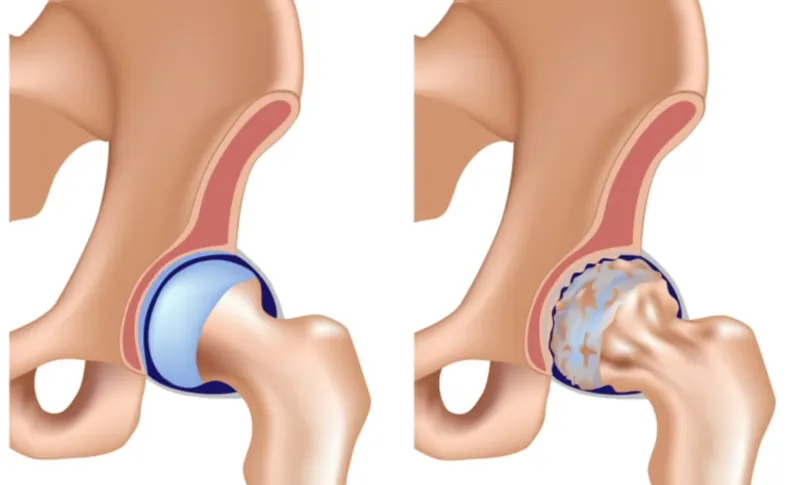
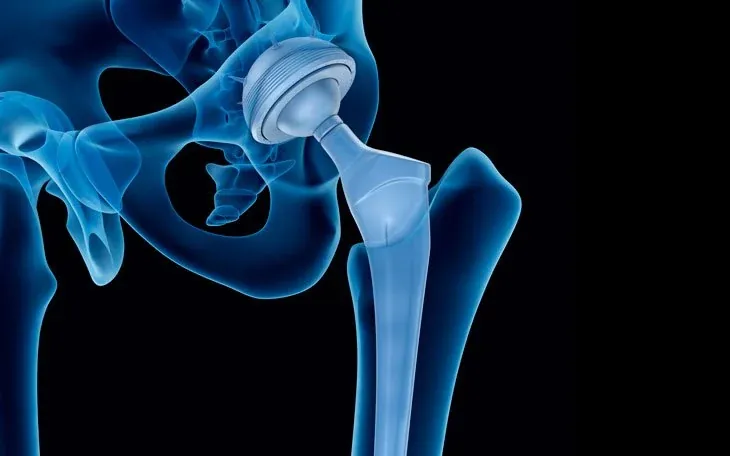
The word comes from Greek: arthron (joint) and plasty (reconstruction). In arthroplasty the surgeon removes diseased or worn parts of the joint and replaces them with artificial components, or reconstructs the joint to restore painless motion.
The main types are hip replacement and knee replacement, but there are also shoulder, elbow and other joint arthroplasties.
When arthroplasty is considered
- advanced osteoarthritis with persistent pain and functional limitation;
- failure of treatments such as physical therapy, medication and injections;
- bone necrosis, inflammatory arthritis and trauma sequelae;
- fractures where fixation is not possible, usually in older adults.
Before indicating surgery, the orthopedist reviews alternatives and discusses expectations and risks.
Treatment steps
- Clinical evaluation and imaging to plan the size and type of implant.
- Pre-operative preparation: general health assessment, control of conditions such as diabetes and hypertension, and guidance on prior physical therapy.
- Surgery, with current techniques and detailed planning.
- Early rehabilitation, with physical therapy and gradual return to activity.
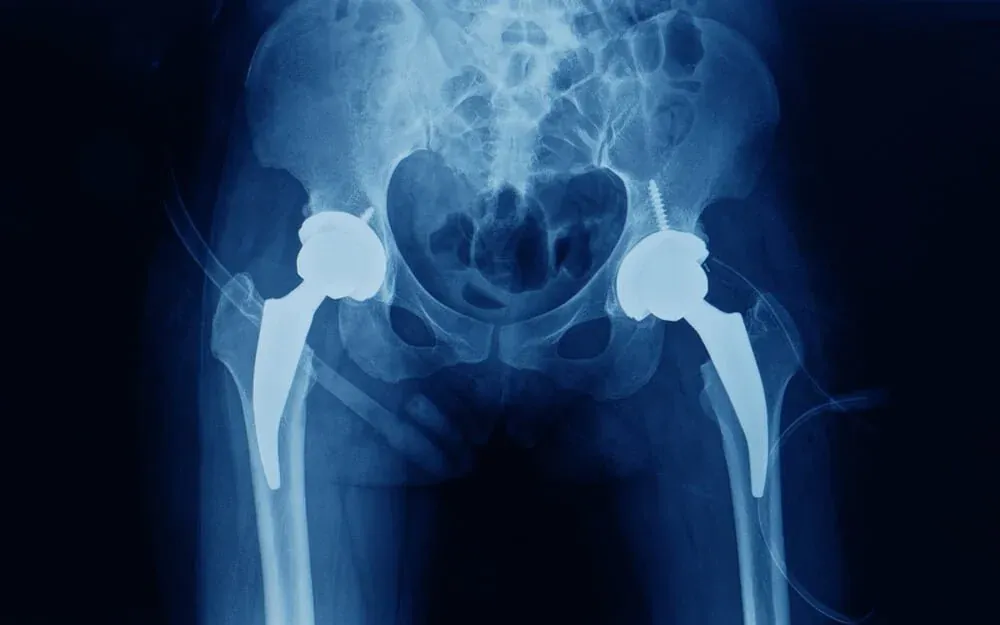
- Periodic follow-up with X-rays to monitor the implant over the years.
Training and experience
Dr. Daniel Ramallo completed a fellowship in joint reconstruction and arthroplasty at Harborview Medical Center (Seattle, USA), has taught courses in Brazil, Germany and Portugal and is CEO of OrthoConstellation, a medical training company in knee and hip replacement. He has also coordinated orthopedic and trauma services in major hospitals in Rio de Janeiro.