
CRM-RJ 870137 · RQE 20287 · Updated on 30/10/2026
What is the anterior cruciate ligament
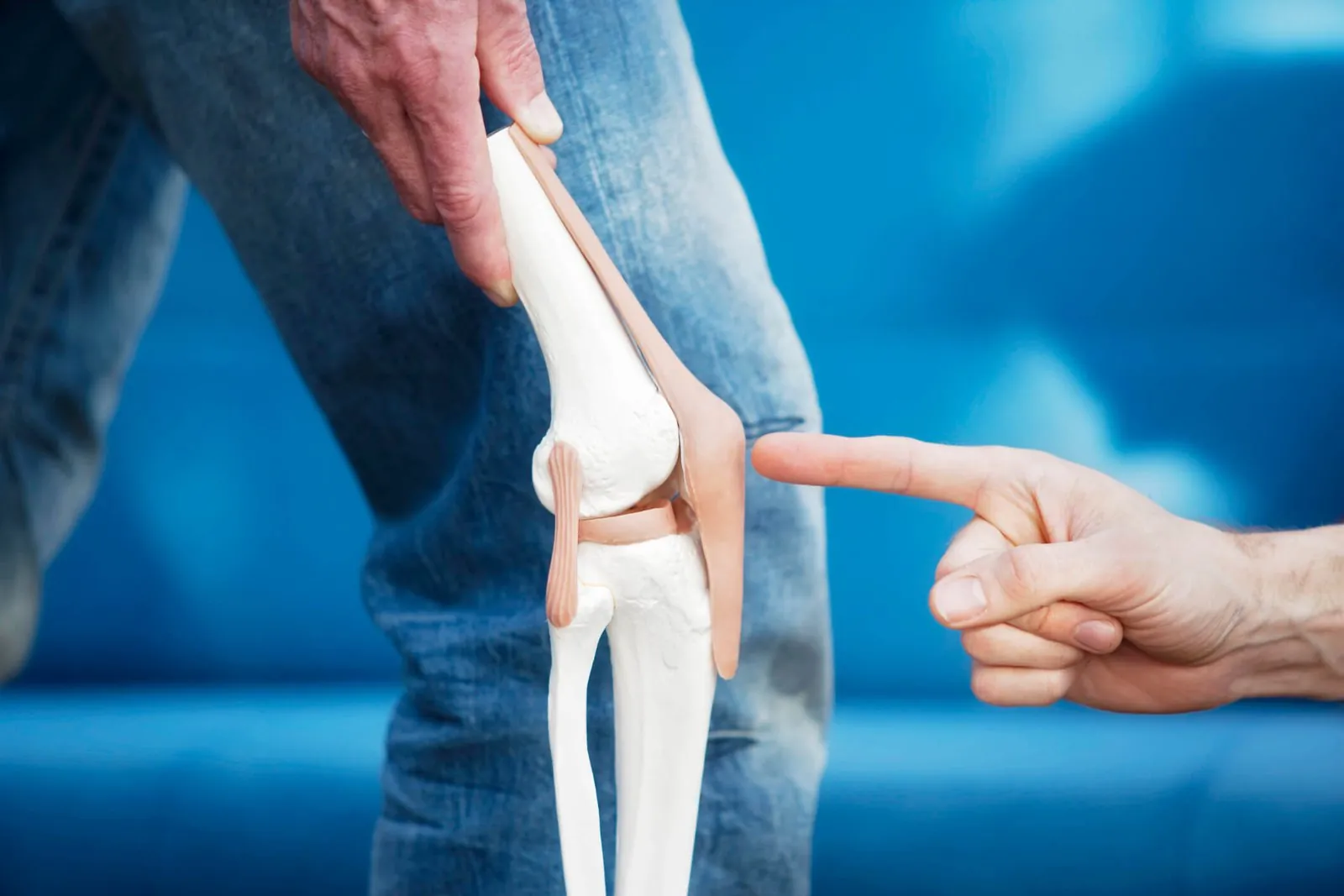
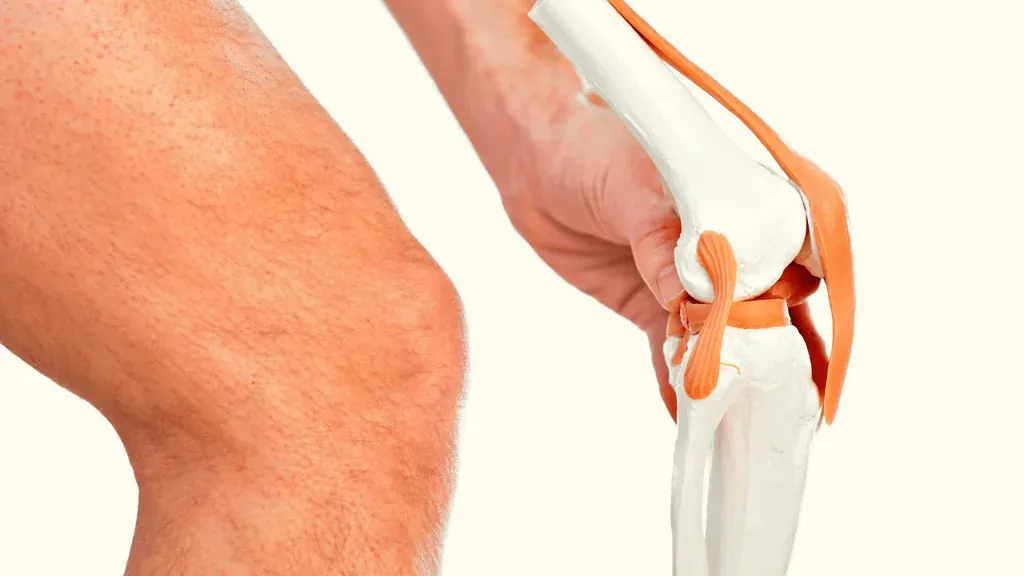
The ACL connects the femur to the tibia inside the knee, prevents the tibia from sliding forward and controls rotation. Injury usually happens during sudden changes of direction, jump landings or twists with the foot planted, in football, basketball, volleyball, skiing, martial arts and other sports.
It often comes with meniscus and medial collateral ligament injuries.
Symptoms
- an audible pop or a sensation of something "tearing" at the time of injury;
- knee swelling within hours, from bleeding inside the joint;
- pain and difficulty bearing weight right after the injury;
- a feeling of giving way, of the knee "going out", in the following weeks;
- difficulty returning to sports with changes of direction.
Diagnosis
The physical exam, with tests such as the Lachman, anterior drawer and pivot-shift, is the main tool. MRI confirms the tear and assesses the menisci, cartilage and other ligaments. X-rays help rule out associated fractures.
Treatment
The decision considers age, activity level, instability and associated injuries.
Without surgery
Indicated in patients with low sports demand or no instability: intensive physical therapy, strengthening and neuromuscular control training. Some active patients return to activity without surgery, but this is assessed case by case.
ACL reconstruction
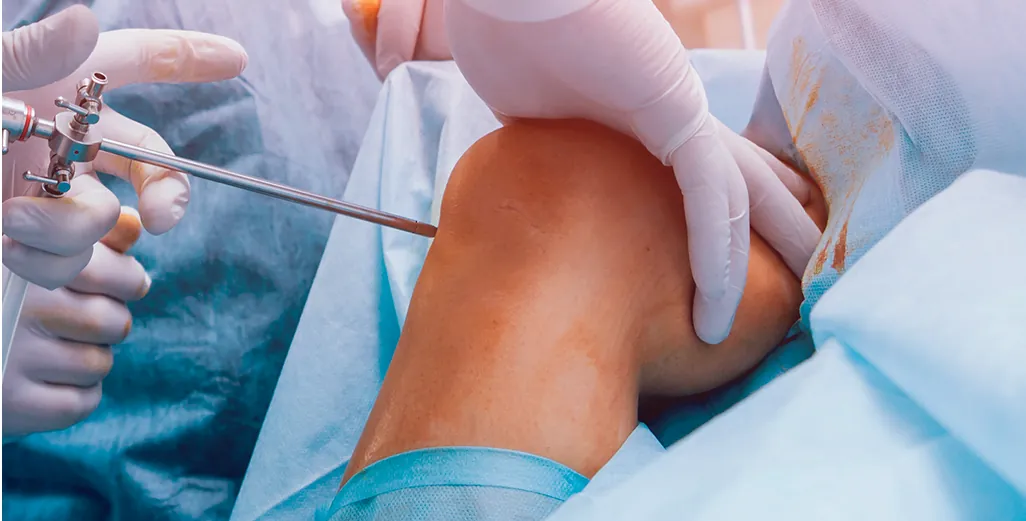
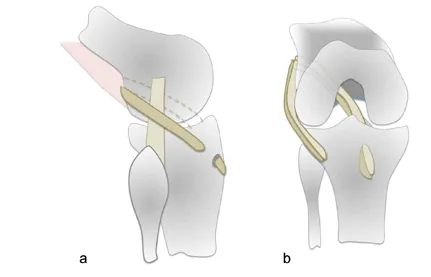
For those who play pivoting sports, have instability or associated injuries, ACL reconstruction uses a tendon graft and is done by arthroscopy. Rehabilitation is essential and may take several months until return to sport.
This type of injury is part of soft-tissue surgery in athletes, an area in which Dr. Daniel Ramallo works.