

CRM-RJ 870137 · RQE 20287 · Updated on 30/10/2026
What is tendinitis
Tendons transmit force from muscle to bone. When they take more load than they can handle, or are used repetitively, they develop micro-tears and inflammation. Over time, if the problem persists, the tendon can degenerate, a condition doctors call tendinopathy.
The most common causes are a sudden increase in physical activity, poor sports technique, work posture, lack of muscle conditioning and age.
Symptoms
- localized pain that worsens with movement and eases with rest;
- tenderness along the tendon;
- morning stiffness and a "catching" feeling at the start of movement;
- mild swelling and, at times, crepitus;
- weakness when pain is intense.
Diagnosis
The physical exam identifies the affected tendon and the movements that reproduce the pain. Ultrasound and MRI show tendon changes and help rule out tears and other causes, such as bursitis and joint problems.
Treatment of tendinitis
- load adjustment: reducing the movement that provokes pain while keeping activities that do not aggravate it;
- physical therapy with stretching and progressive strengthening;
- shockwave therapy in selected cases;
- pain and anti-inflammatory medication for a limited period;
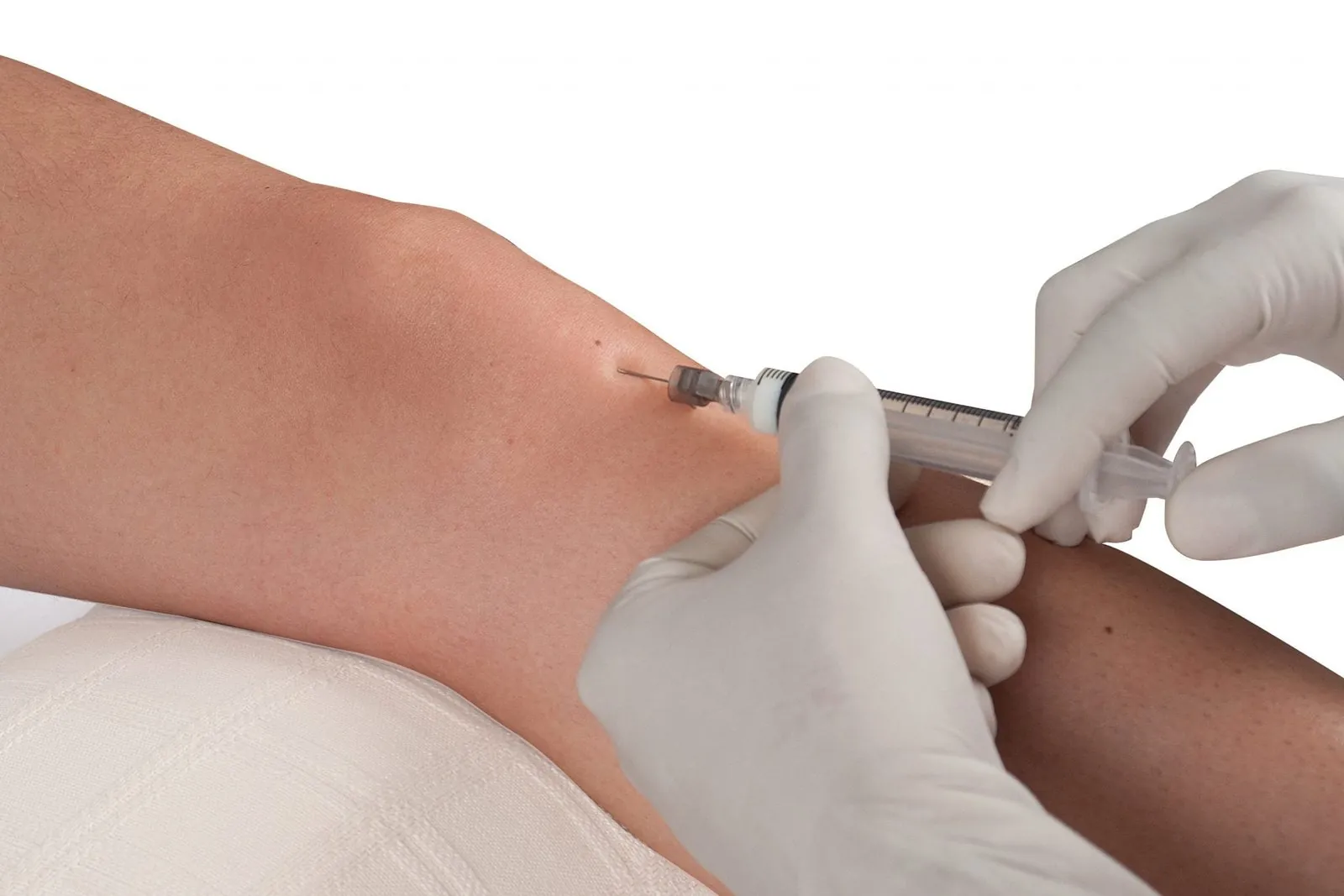
- injections and biologic therapies in specific situations;
- surgery only in persistent cases or with rupture.
Dr. Daniel Ramallo has spoken on the subject to outlets such as Terra, in articles about tendinitis and its treatments (see interviews). Specific conditions, such as tennis elbow, have their own approach.