
CRM-RJ 870137 · RQE 20287 · Updated on 30/10/2026
What the meniscus is and how it tears
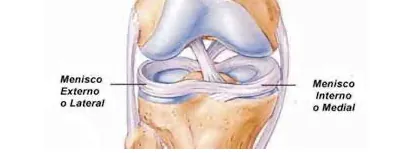
Each knee has two C-shaped menisci, the medial and the lateral, between the femur and the tibia. They distribute load, absorb impact and help stability.
There are two types of tear: traumatic, usually in young people and athletes after a knee twist; and degenerative, in people over 40, from wear, often with simple movements such as squatting or getting up.
Symptoms
- pain along the joint line, on the inner or outer side of the knee;
- swelling after effort;
- locking or blocking, with difficulty fully straightening the knee;
- clicking and a feeling of giving way;
- pain when squatting, pivoting or climbing stairs.
Diagnosis
Evaluation combines the physical exam, with tests such as McMurray, and MRI, which shows the type and location of the tear. Degenerative meniscus changes appear in many symptom-free knees, so imaging must always be read together with the clinical picture.
Treatment of a meniscus tear
Without surgery
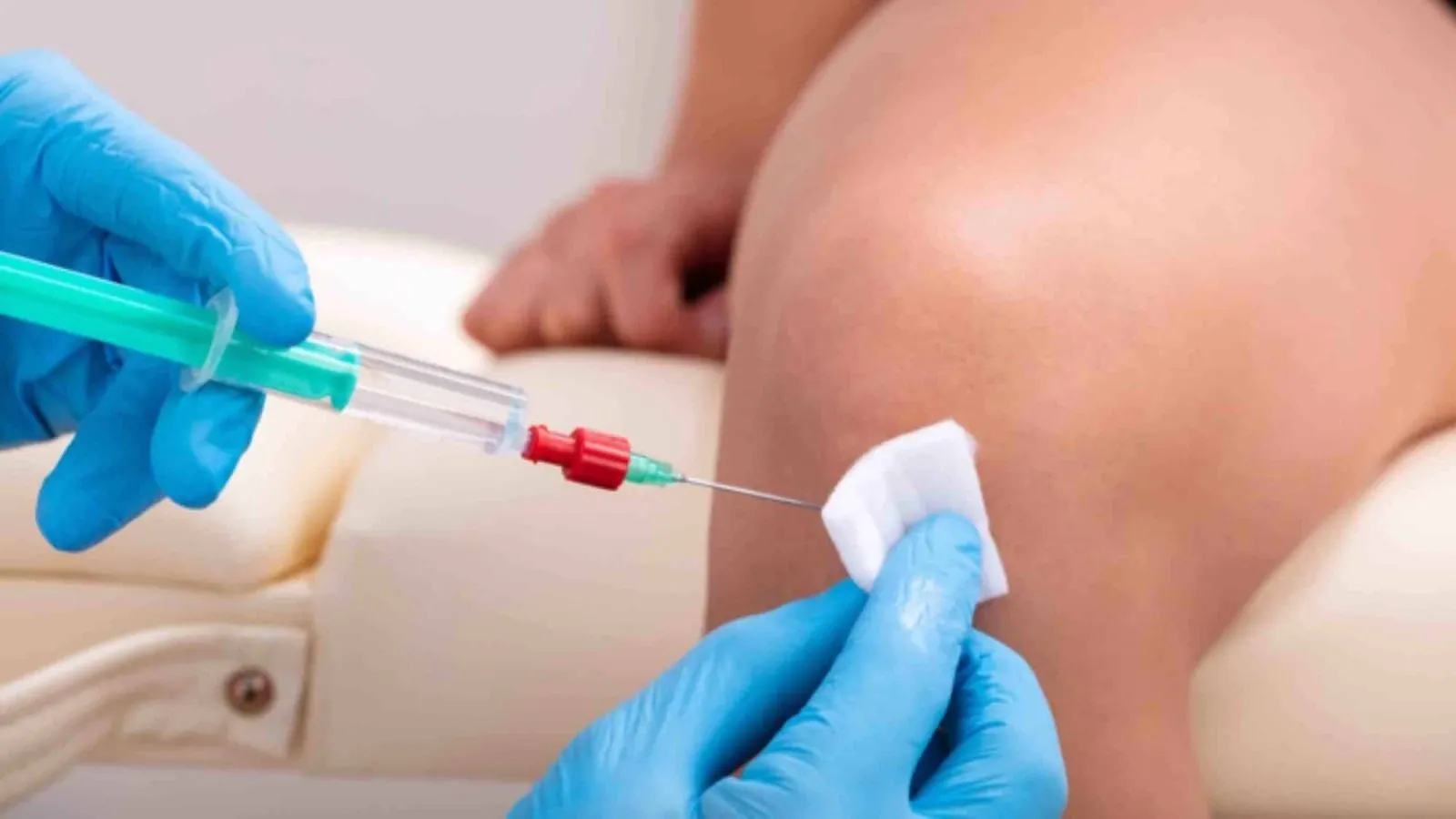
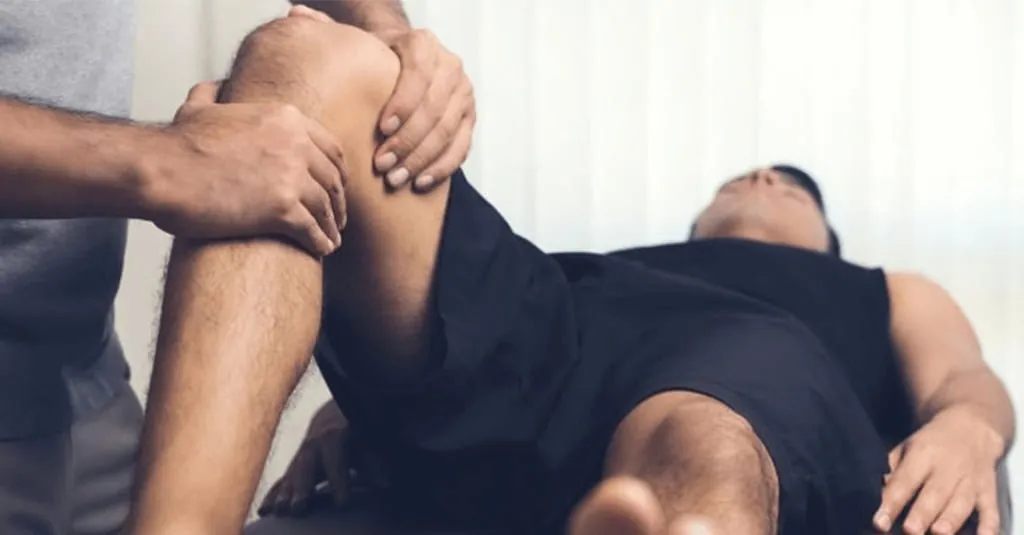
Degenerative and small tears often respond well to physical therapy, strengthening, medication and, in some cases, injections. Many patients become symptom-free without surgery.
Arthroscopic surgery
Indicated for tears that cause locking, persistent pain or instability. Whenever the tear type allows, a meniscus repair (suture) is done to preserve the structure. When repair is not possible, only the torn part is removed, a partial meniscectomy. Arthroscopy uses small incisions and allows quicker recovery.
Meniscus injuries often occur with an ACL tear and can progress to knee osteoarthritis if not well managed.