
CRM-RJ 870137 · RQE 20287 · Updated on 30/10/2026
What biologic therapies are
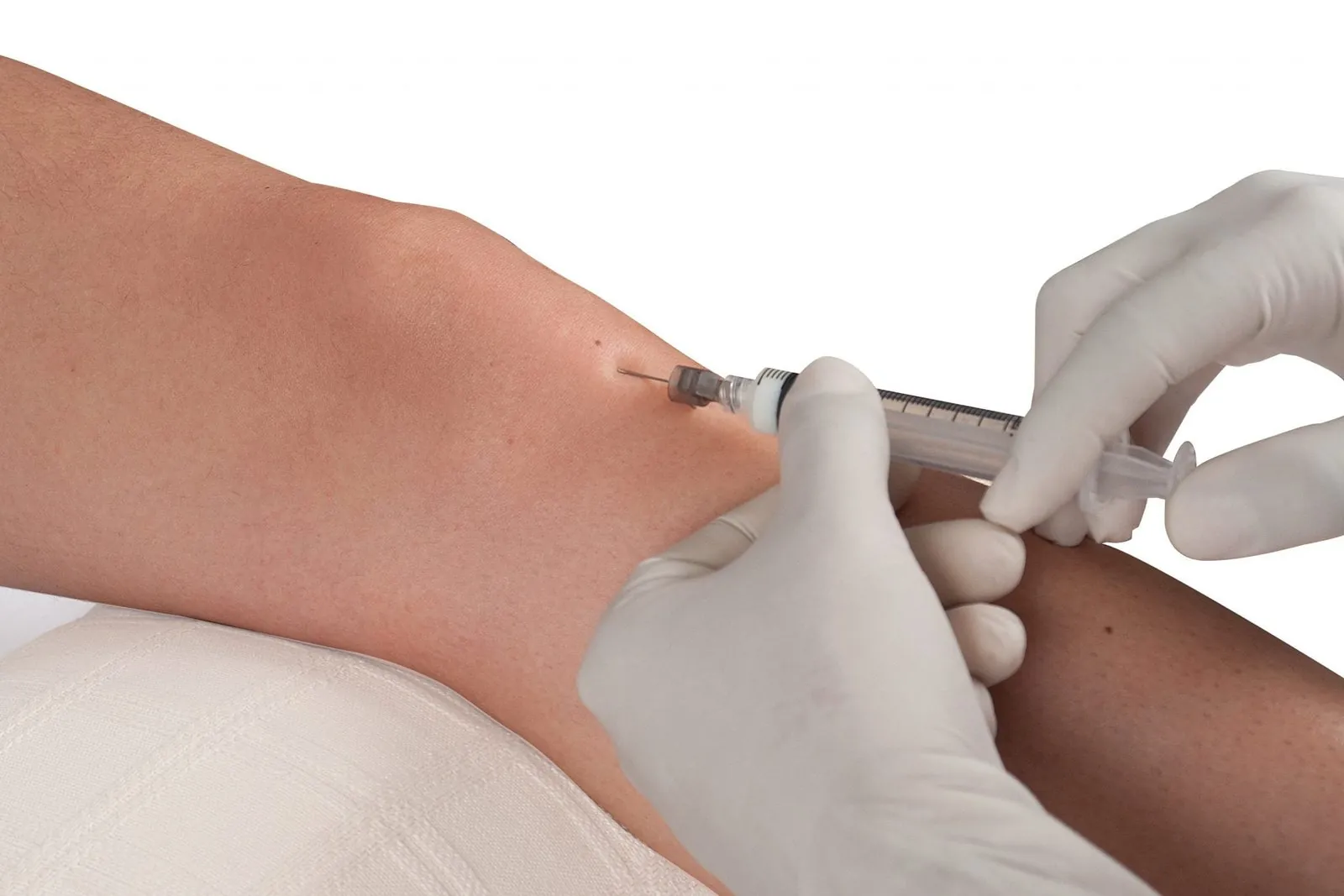
They are treatments that use biological substances obtained from the patient, processed and applied at the injury site. The best-known example is PRP (platelet-rich plasma): a small blood sample is collected, platelets, rich in growth factors, are concentrated and the product is injected into the tendon or joint.
The goal is to favor a healing environment and reduce inflammation. Cell medicine is a growing field in orthopedics, the subject of a news report in which Dr. Daniel Ramallo took part (see interviews).
When they may be considered
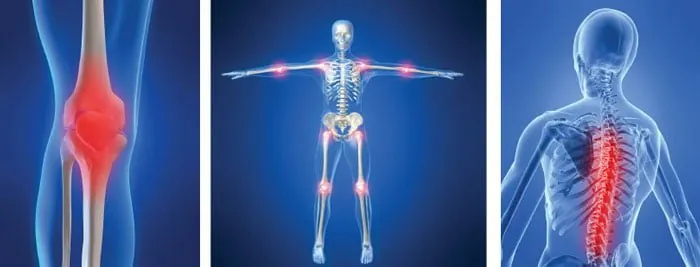
- mild to moderate osteoarthritis of the knee and hip, as an alternative or complement to other treatments;
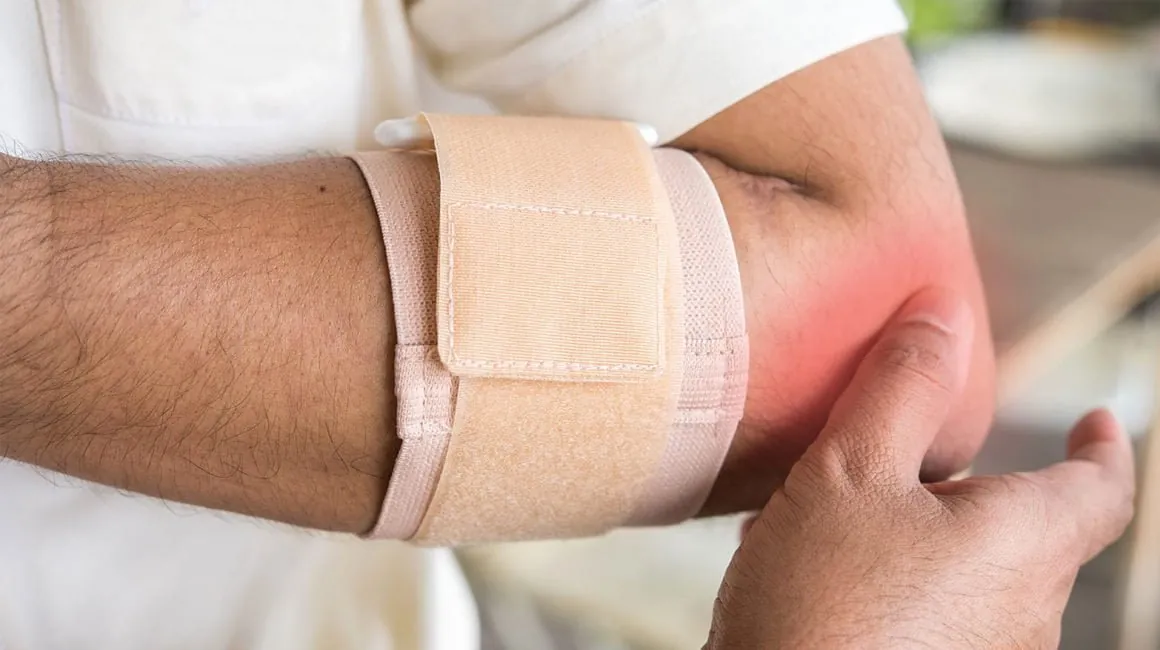
- chronic tendinopathies, such as tennis elbow;
- some muscle and soft-tissue injuries in athletes, in individualized protocols.
Scientific evidence varies by disease, preparation technique and protocol. Therefore, the indication is made with transparency about expected benefits and limitations.
How the procedure is done
It is outpatient: blood collection, preparation of the material in sterile conditions and application at the indicated site, with ultrasound guidance when needed. The whole process takes about an hour. The patient may have mild pain or swelling in the first days, and improvement, when it occurs, is gradual over weeks.
Care and limits
Biologic therapies do not replace physical therapy, strengthening and control of the factors that caused the injury. They also have indications and limits set by medical rules and health authorities. In the consultation the doctor explains whether they are indicated in your case and what alternatives exist.