
CRM-RJ 870137 · RQE 20287 · Updated on 30/10/2026
Signs of a fracture and what to do right away
Suspect a fracture when there is sharp, localized pain, swelling, bruising, visible deformity, inability to put weight on the foot or move the arm, or a snapping sound at the moment of injury.
While you seek care:
- keep the area immobilized and still, without trying to realign the bone;
- do not put weight on the injured limb;
- apply ice wrapped in cloth, never directly on skin;
- if the bone is exposed or there is bleeding, cover with a clean cloth and go to an emergency room immediately.
How it is diagnosed
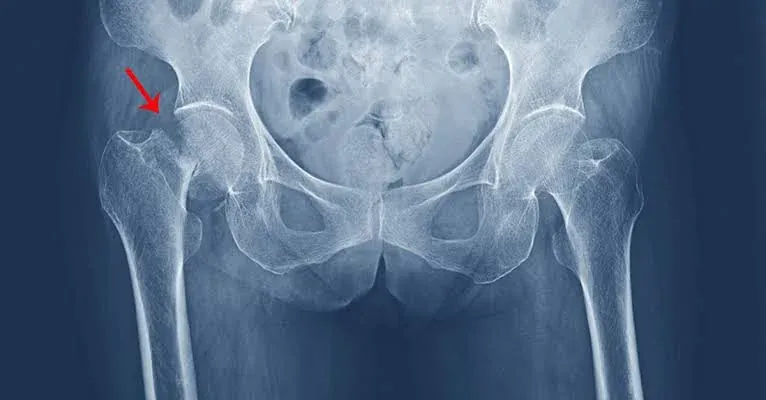
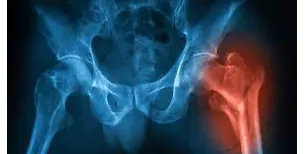
An X-ray is the main exam and shows the fracture line, displacement and joint involvement. A CT scan is used in complex fractures, such as the pelvis, acetabulum, knee and ankle, to plan surgery. The condition of the skin, vessels and nerves around the injury is also assessed.
Treatment of fractures
Not every fracture needs surgery. Treatment depends on the bone, the displacement, age and the patient's health.
Without surgery
Stable or non-displaced fractures are usually treated with a cast, splint or brace, followed by X-rays and later rehabilitation.
Surgery
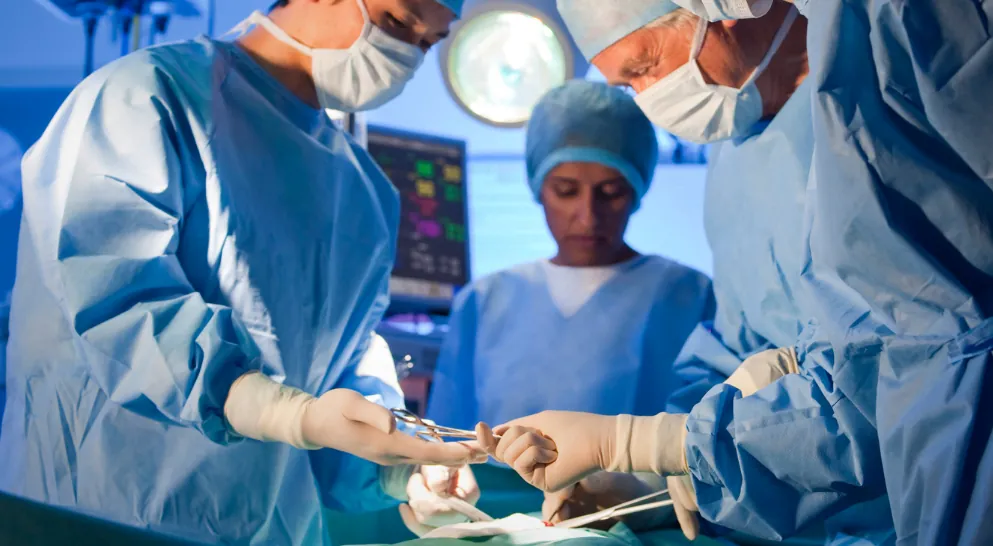
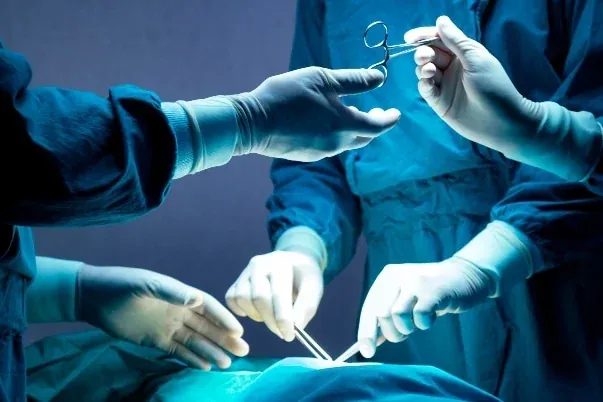
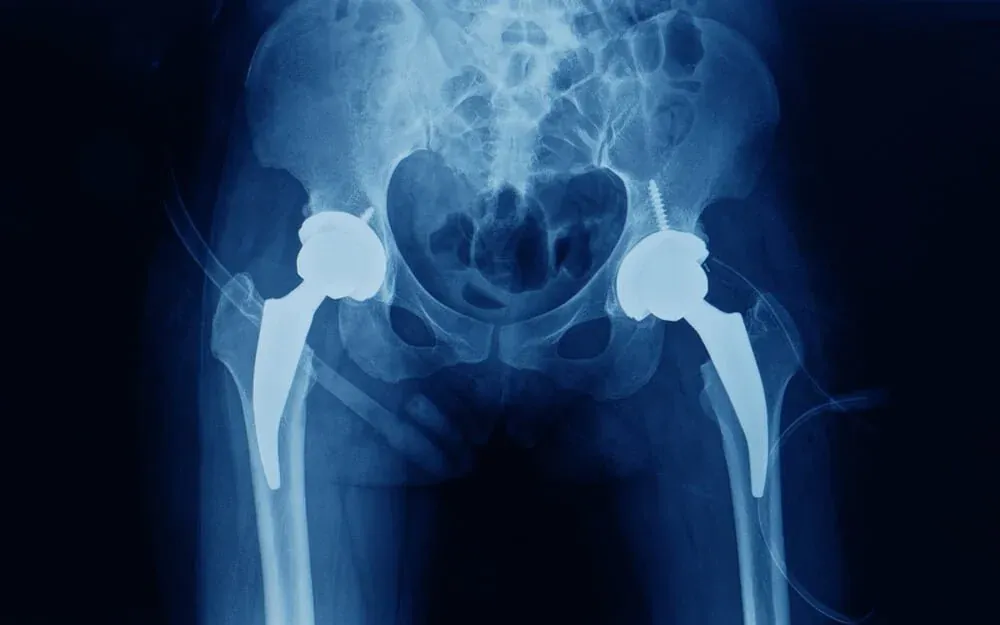
Displaced, unstable, open or joint-involving fractures normally require orthopedic trauma surgery: fragments are realigned and fixed with plates, screws or rods. In femoral neck fractures, early surgery is generally recommended so the patient can move sooner. The most complex cases involve joint reconstruction.
Dr. Daniel Ramallo completed his residency and sub-specialty training in orthopedic trauma surgery at INTO, a national reference, and is a member of the Brazilian Society of Orthopedic Trauma (SBTO).
Rehabilitation
After healing, physical therapy restores motion, strength and function. Recovery time varies a lot with the bone and the type of treatment, and return to sport is cleared based on clinical progress and imaging.